Stags Leap District · Napa4.9 · 699
Baldacci Family Vineyards
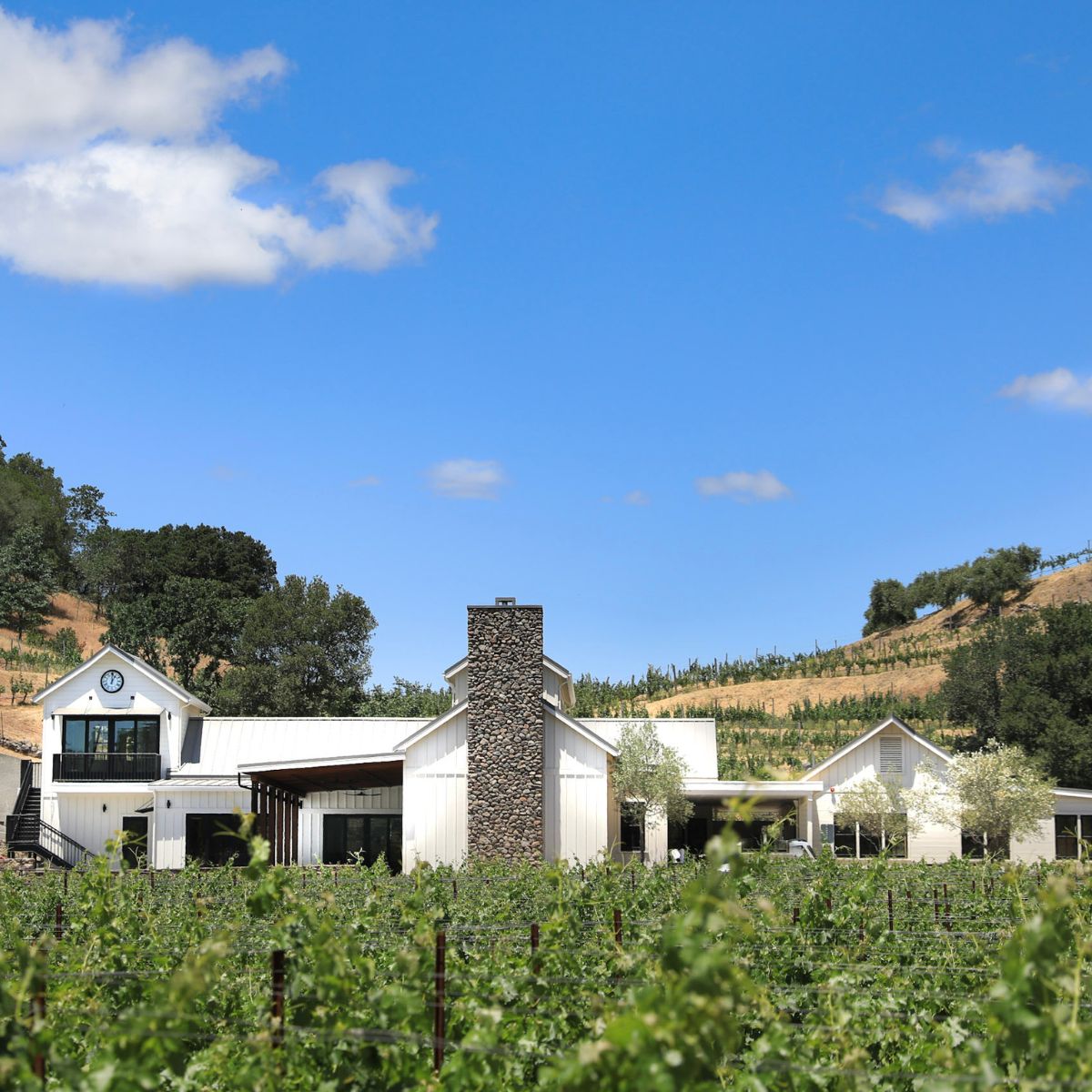
Michael Baldacci pours his family's Black Label Cabernet Sauvignon in a private tasting room.
Reservation
$$$From $85
Michael Baldacci pours his family's Black Label Cabernet Sauvignon in a private tasting room.
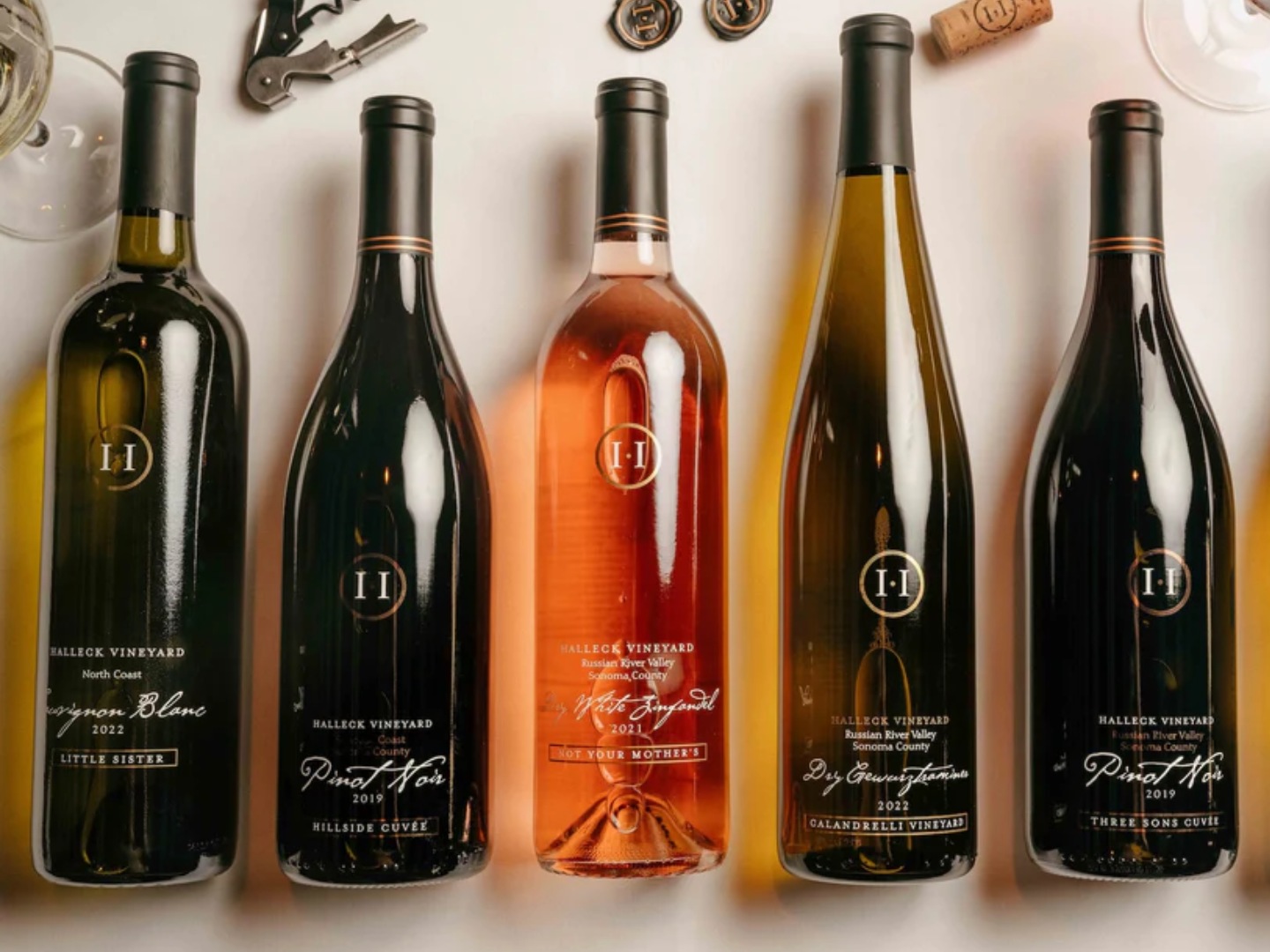
At 900 feet, Halleck is one of Sonoma County's highest vineyards.
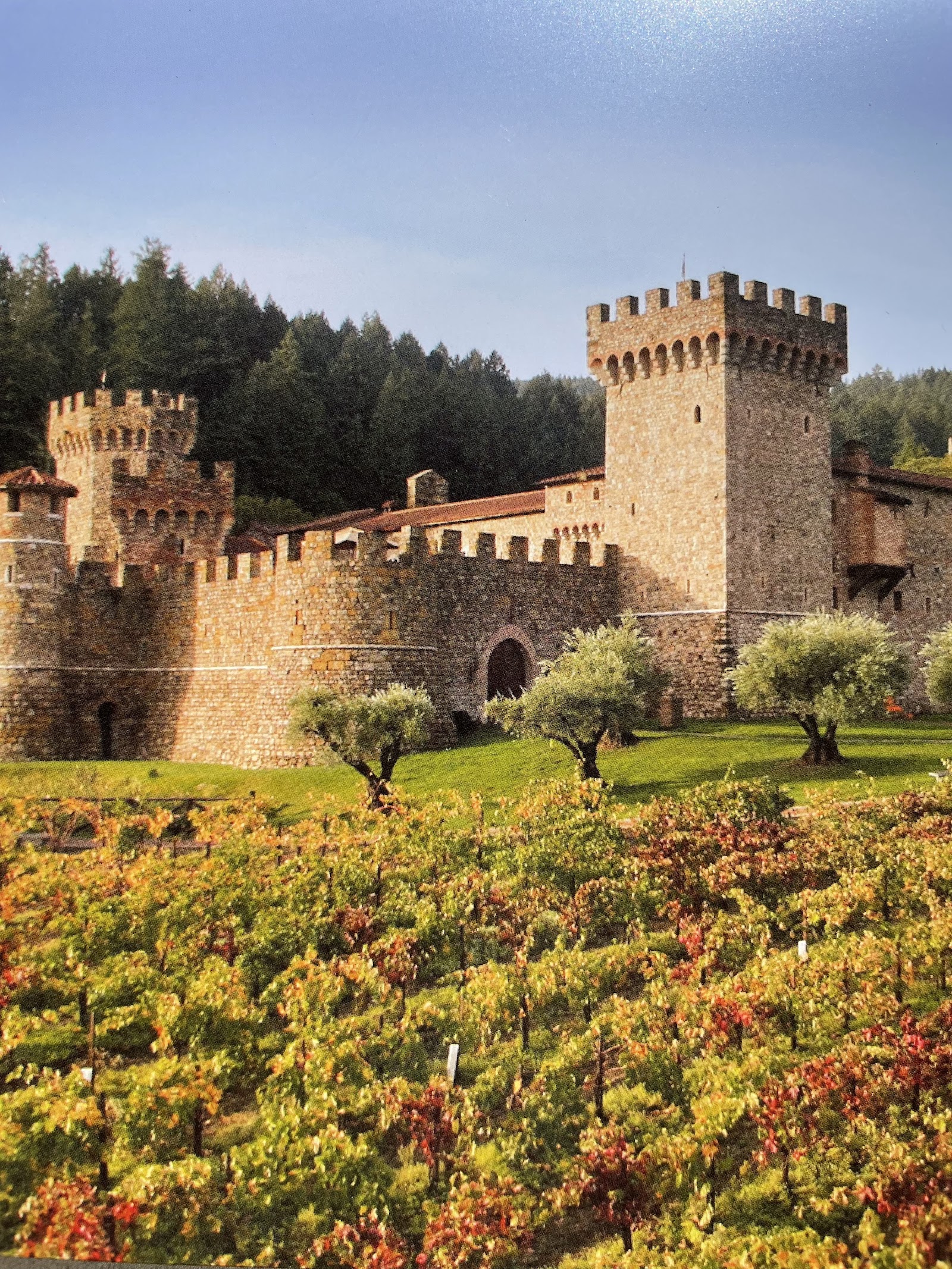
A 14th-century Tuscan castle replica in Calistoga pours Italian-style wines.
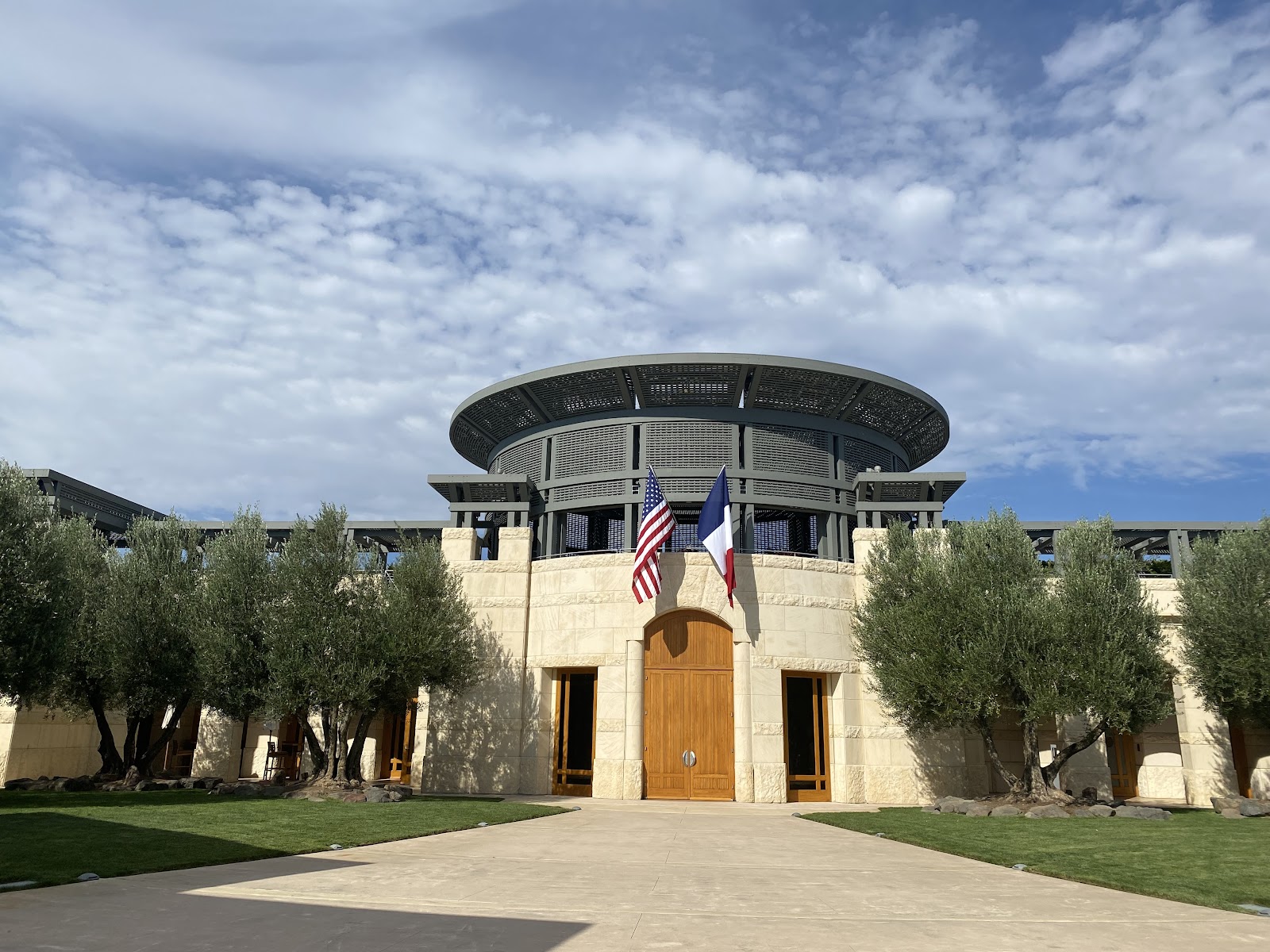
The 1979 partnership of Robert Mondavi and Baron Philippe de Rothschild set out to make one wine.
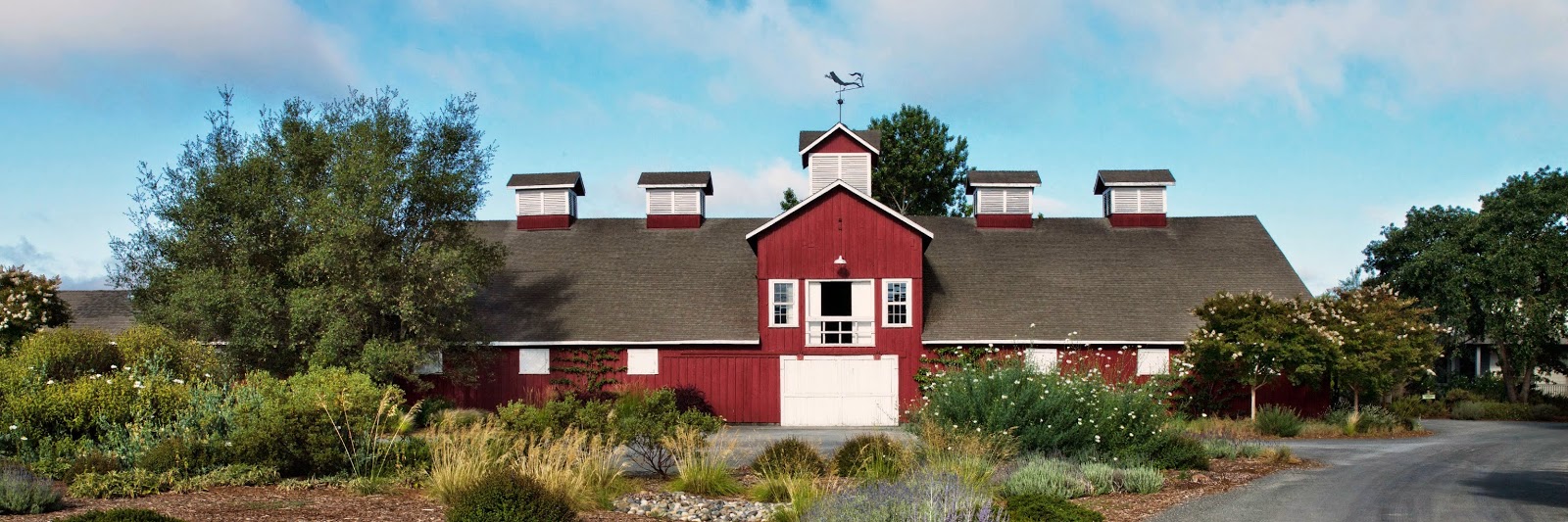
A certified organic estate in Rutherford where kids run through the vineyard rows during the Family Friendly Garden Tasting.
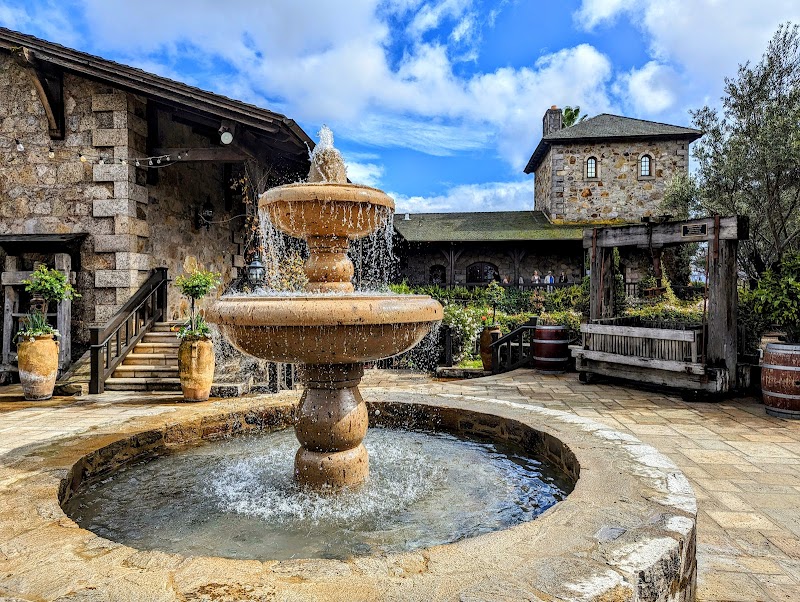
Dario Sattui re-opened his great-grandfather Vittorio's 1885 winery in 1976 with picnic grounds.
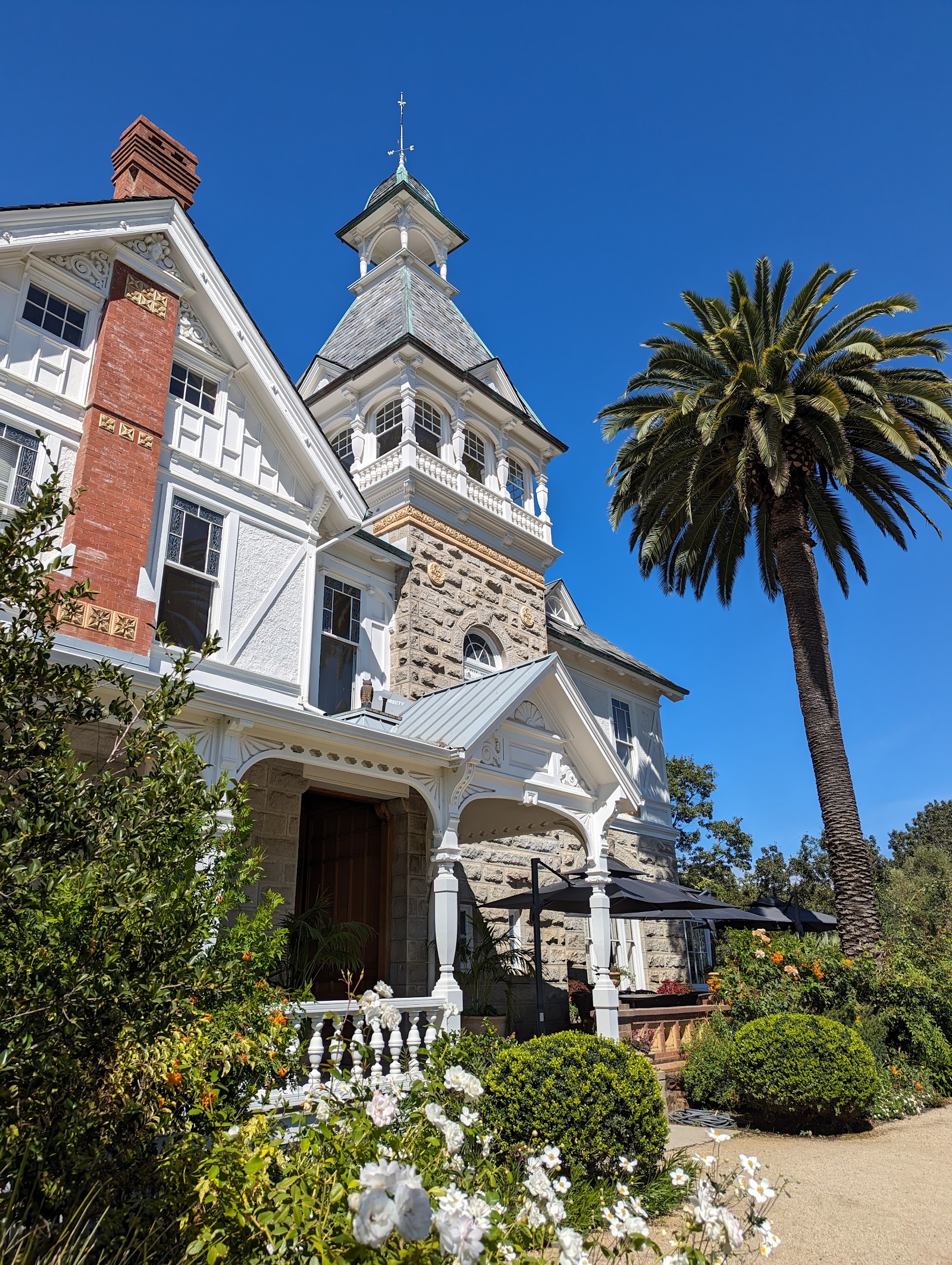
Three estates from the 1870s and 1880s planted Spring Mountain's first Cabernet Sauvignon.
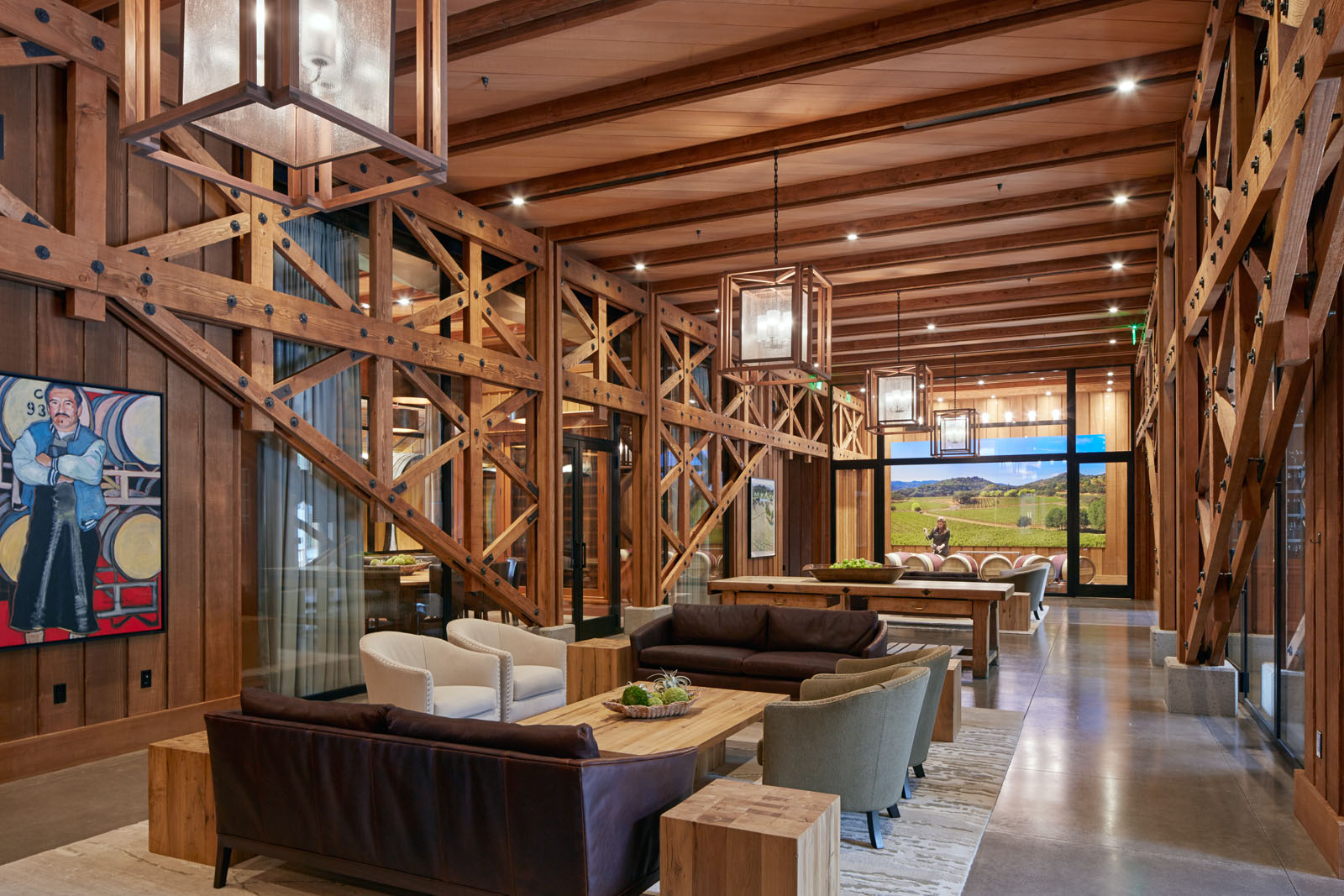
Joseph Phelps created Insignia, California's first proprietary Bordeaux-style red blend.
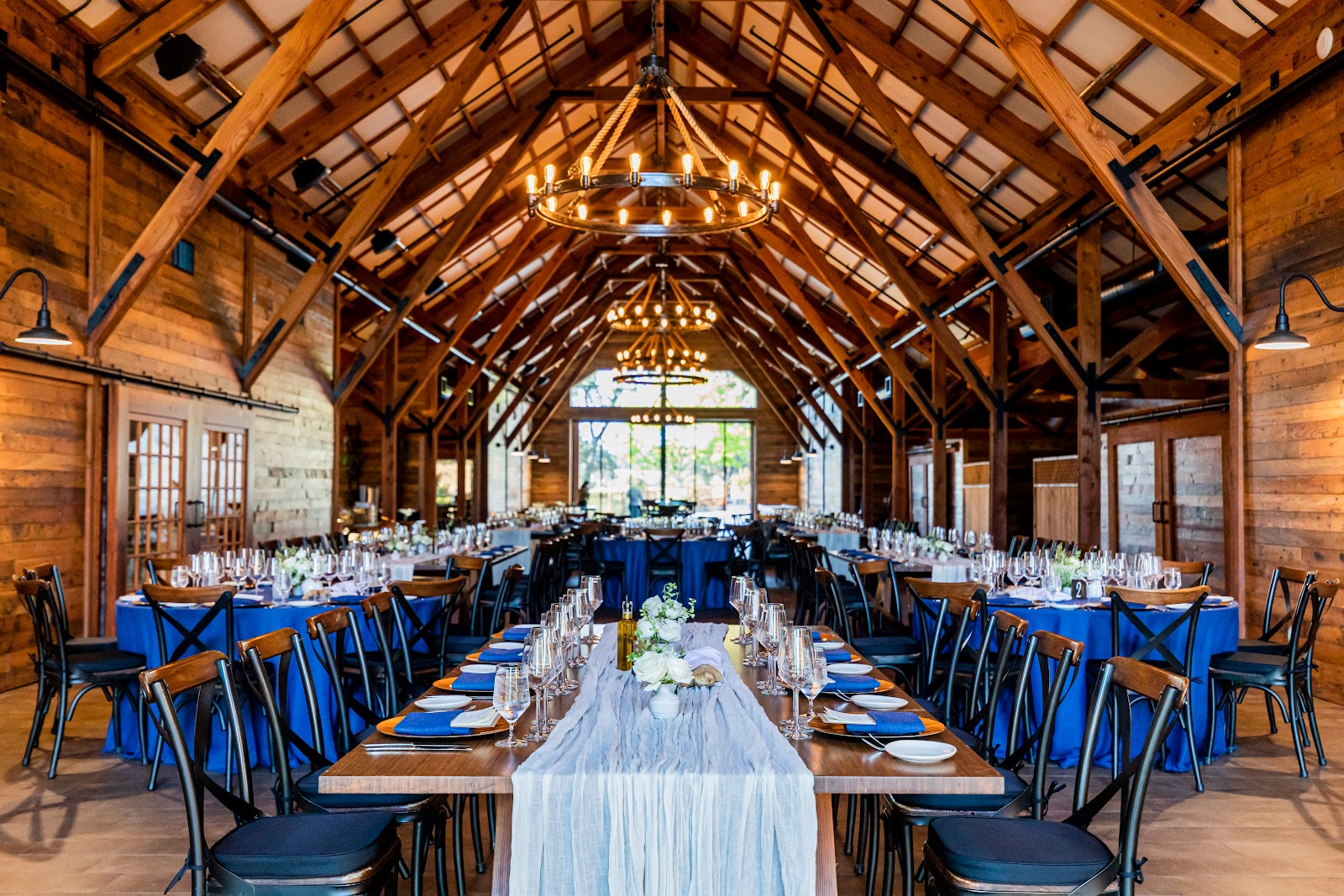
Bricoleur pairs each wine with dishes from its onsite culinary team, not just a tasting flight.
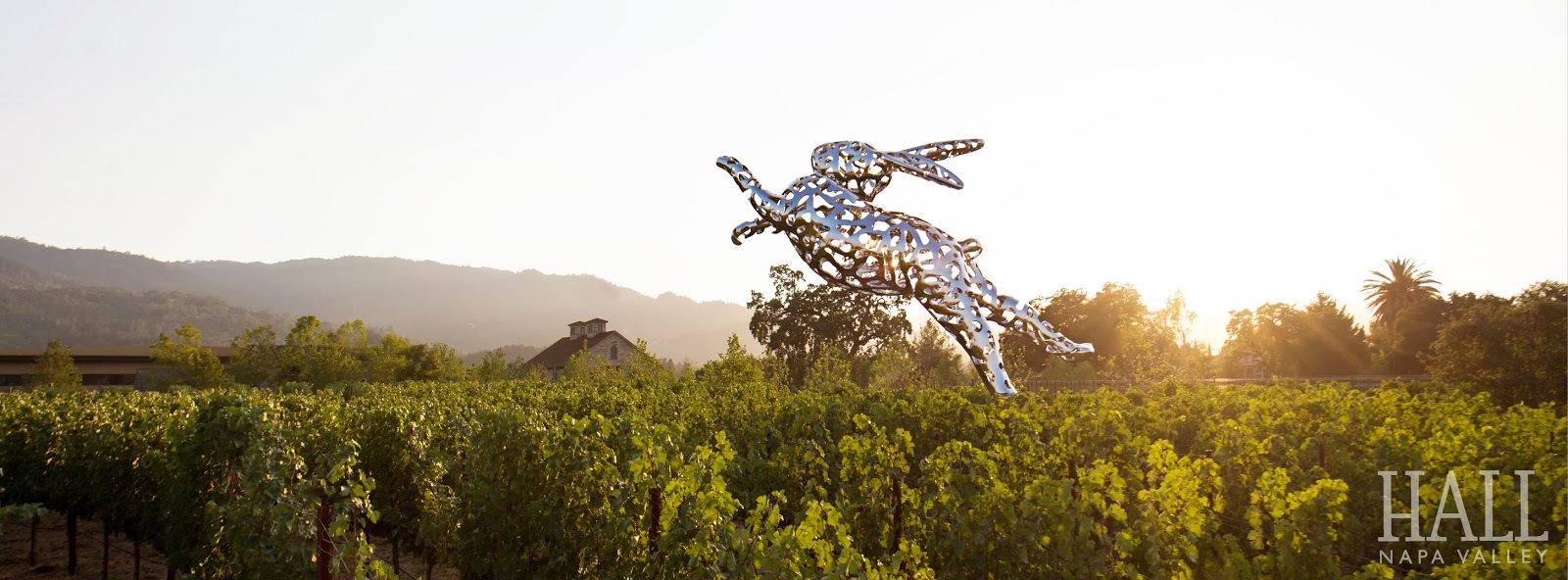
A giant rabbit sculpture marks the entrance, and inside, contemporary art lines the walls between pours of Hall's top-tier Cabernet Sauvignon. The Cabernet Collector Experience pairs Osetra Caviar with wines most visitors haven't heard of yet.
Napa and Sonoma sit side by side, separated by the Mayacamas Mountains, but they couldn't feel more different. Napa is a single, focused valley — thirty miles of Cabernet royalty, where every other driveway leads to a world-class tasting room. Sonoma sprawls across 1,768 square miles of wildly varied terrain, from the fog-cooled Russian River to the sun-baked slopes of Dry Creek. Together, they make up the most storied wine region in the New World — and every corner of it is worth exploring.
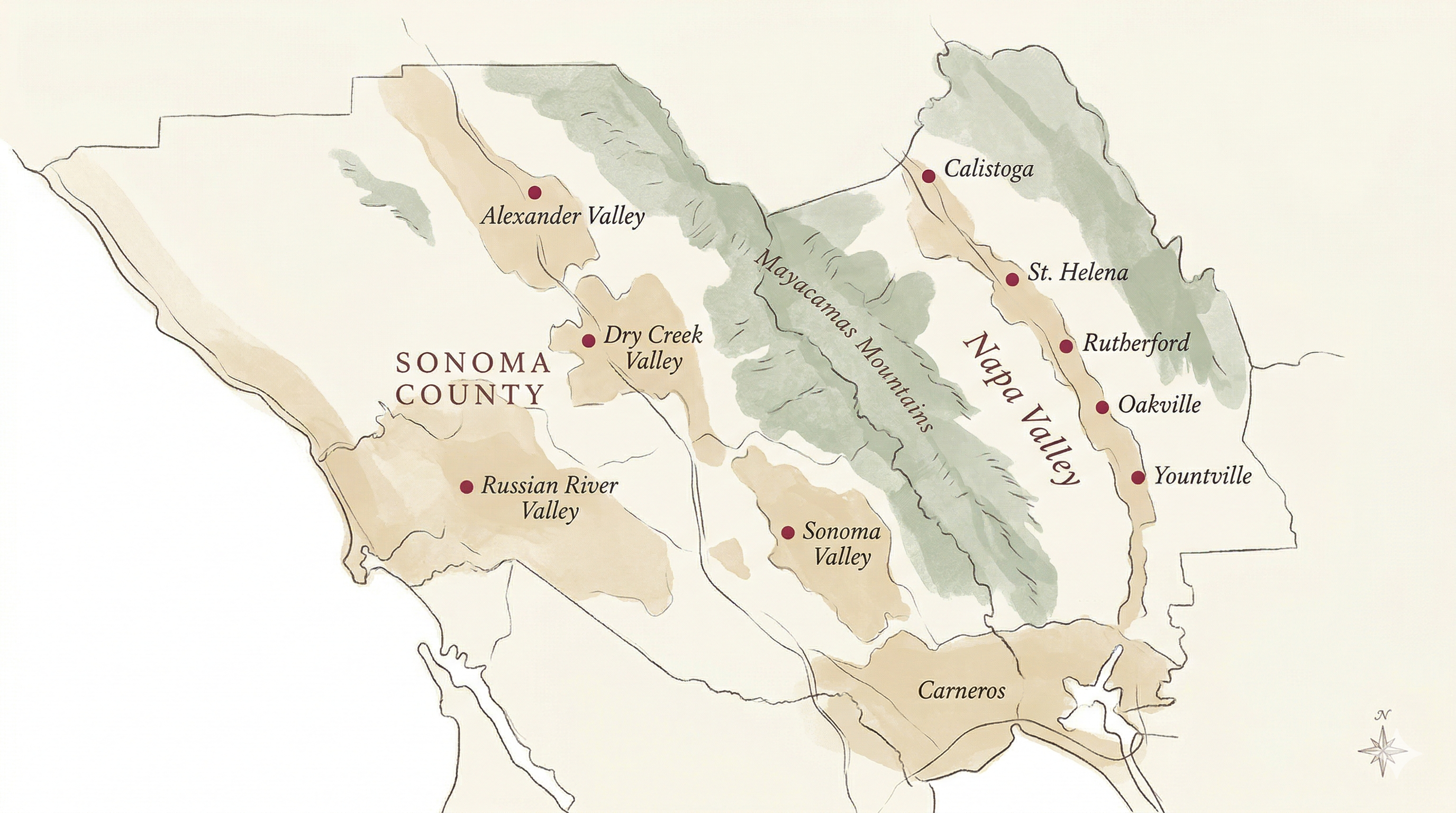
St. Helena is Napa Valley's wine history in concentrated form — home to the oldest continuously operating winery (Beringer, 1876) and California's first tasting room (Charles Krug, 1861). Main Street's walkable mix of tasting rooms, restaurants, and the Culinary Institute of America at Greystone makes it the cultural heart of upper Napa.
Rutherford is the birthplace of the 'Rutherford Dust' concept — a distinctively earthy, cocoa-like tannin quality in Cabernet Sauvignon coined by legendary winemaker Andre Tchelistcheff. Home to some of Napa's most historically significant estates including Inglenook (1881) and Beaulieu Vineyard (1900).
Russian River Valley is one of California's premier cool-climate wine regions, best known for world-class Pinot Noir and Chardonnay. Pacific fog rolls through a gap in the coastal mountains each morning, creating ideal conditions for these varieties. Beyond wine, the region offers redwood forests, river recreation, and small-town charm.
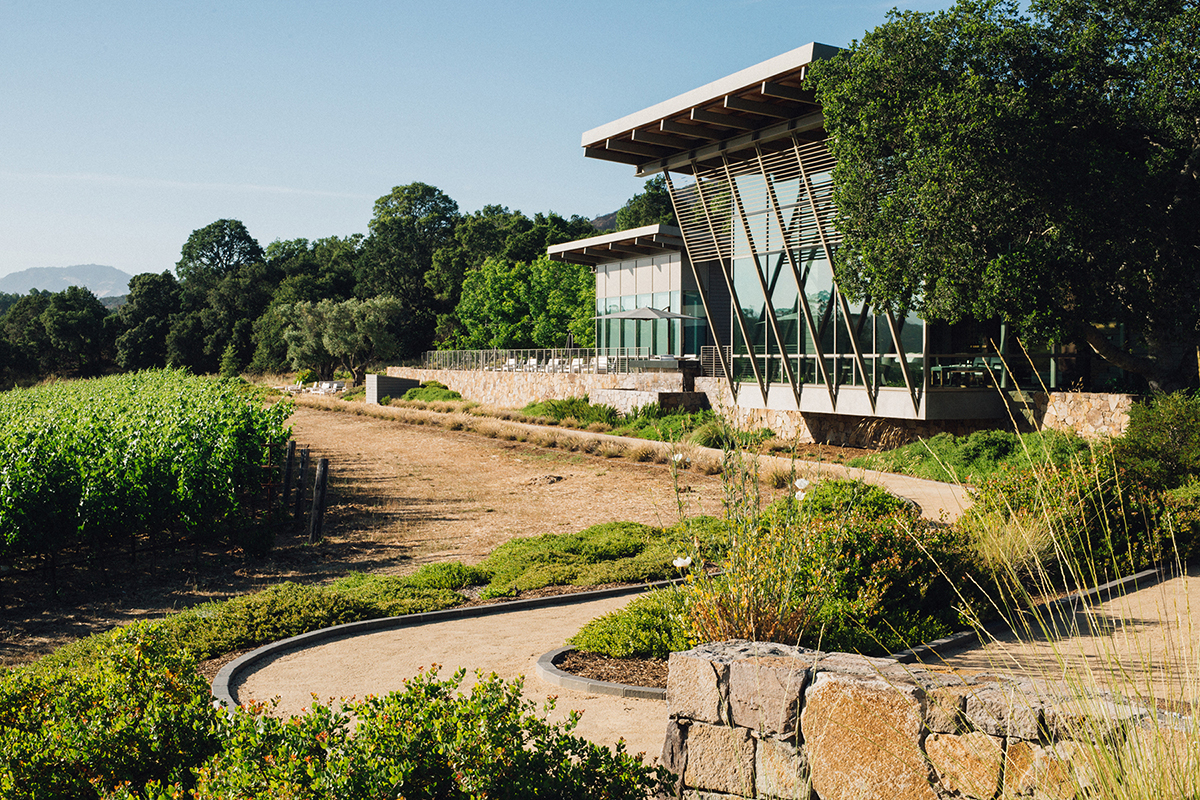
Sonoma Valley is the birthplace of California's commercial wine industry, dating to the 1850s. Flanked by the Mayacamas and Sonoma mountain ranges, it produces diverse wines across approximately 14,000 vineyard acres. The historic town of Sonoma and Jack London's home in Glen Ellen add cultural depth beyond wine.
Farmhouse inns to vineyard cottages — pick a base.
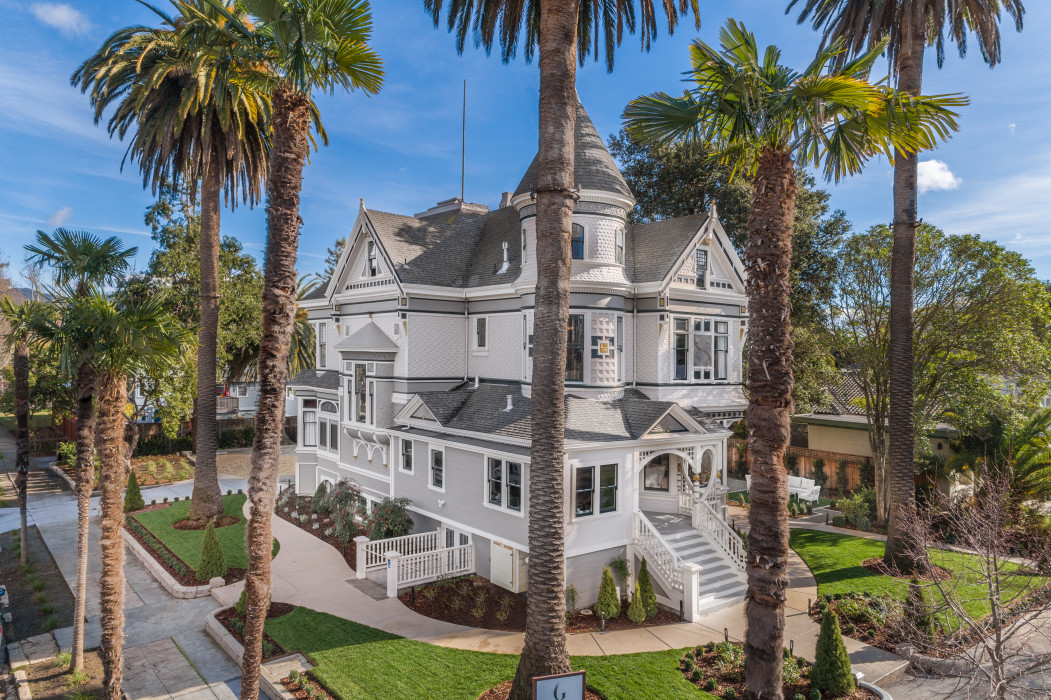
Victorian millwork and pressed-tin ceilings frame every entry at The George, where no two rooms share the same palette or headboard. The coffee starts brewing at seven, and most guests linger over breakfast long enough to plan a second night.
 Hotel
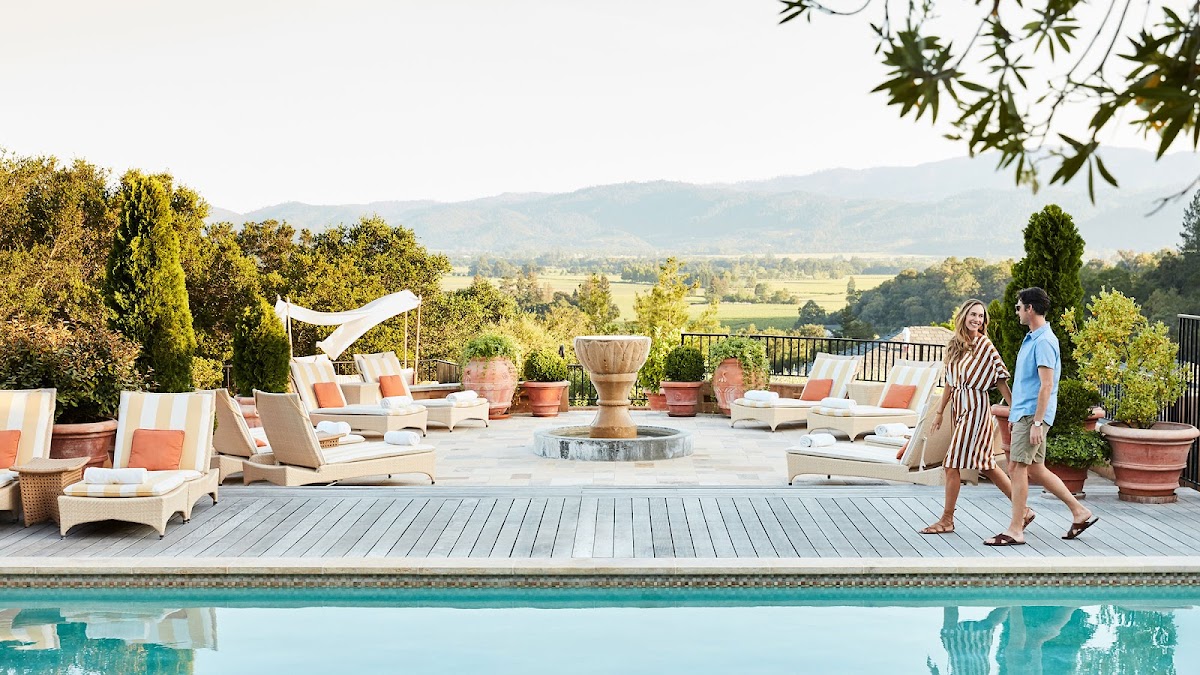
HotelAuberge du Soleil terraces down a Rutherford hillside planted with heritage olive and oak trees.
 Hotel
HotelThe 20,000-square-foot spa runs on Calistoga's geothermal water and books out weeks ahead.
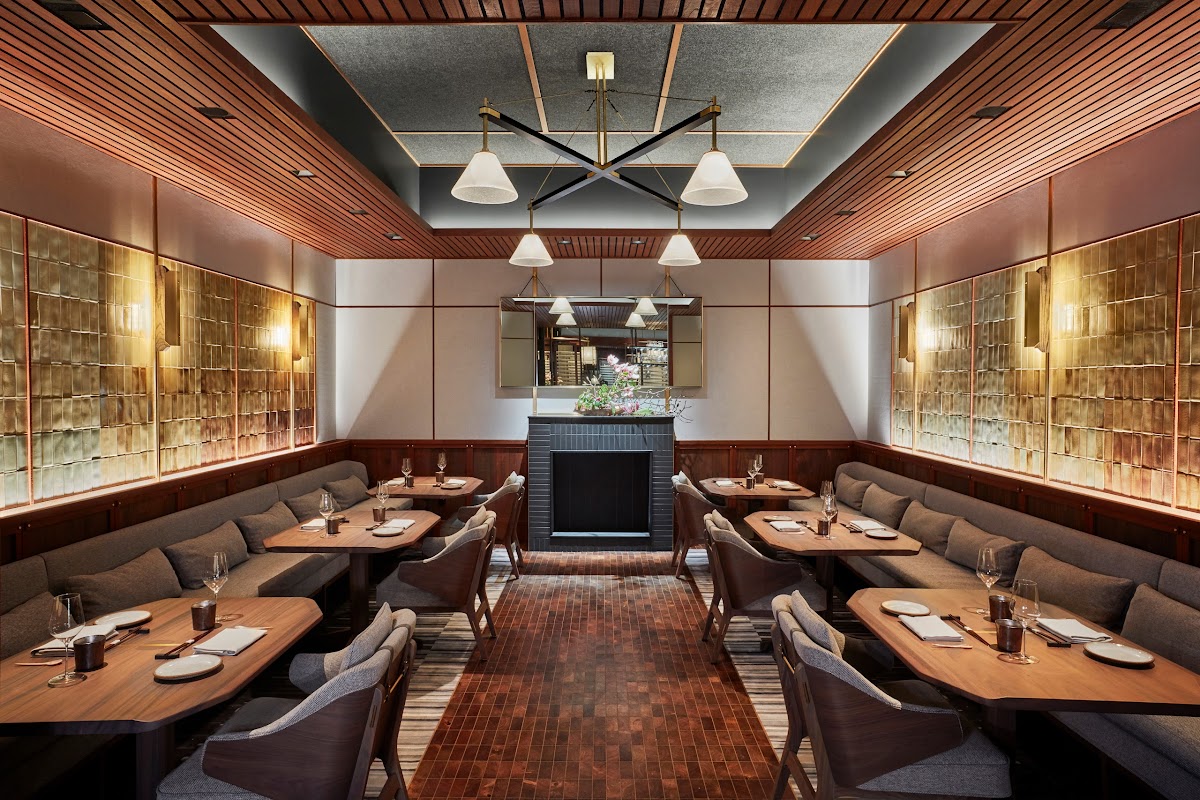 Inn
InnFive guest rooms above a three-Michelin-star restaurant in downtown Healdsburg.
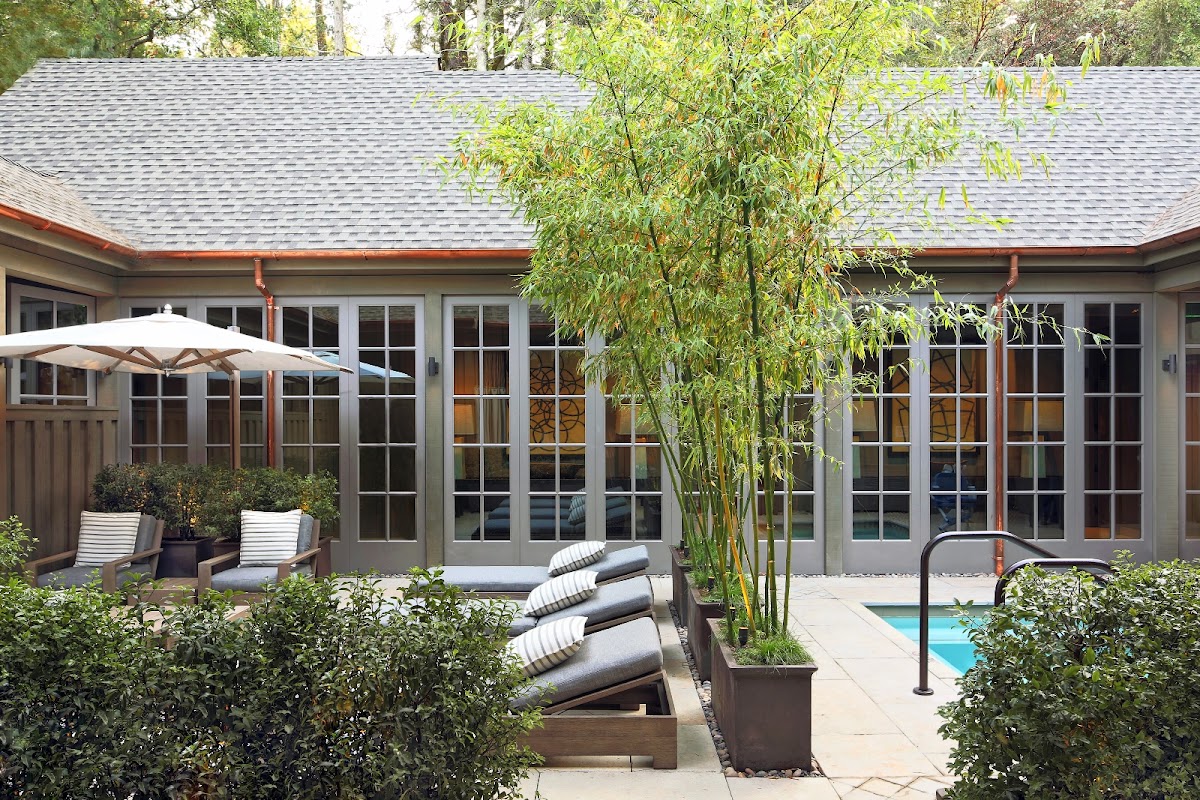 Hotel
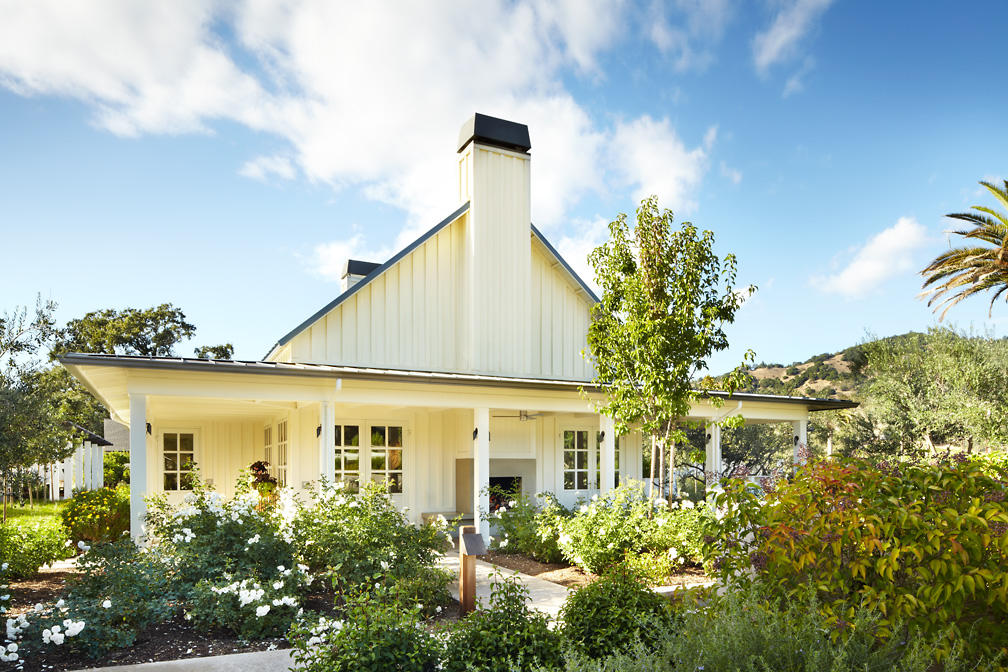
HotelA 250-acre estate on land first settled in 1961, with wood-lined cottages scattered across oak groves.
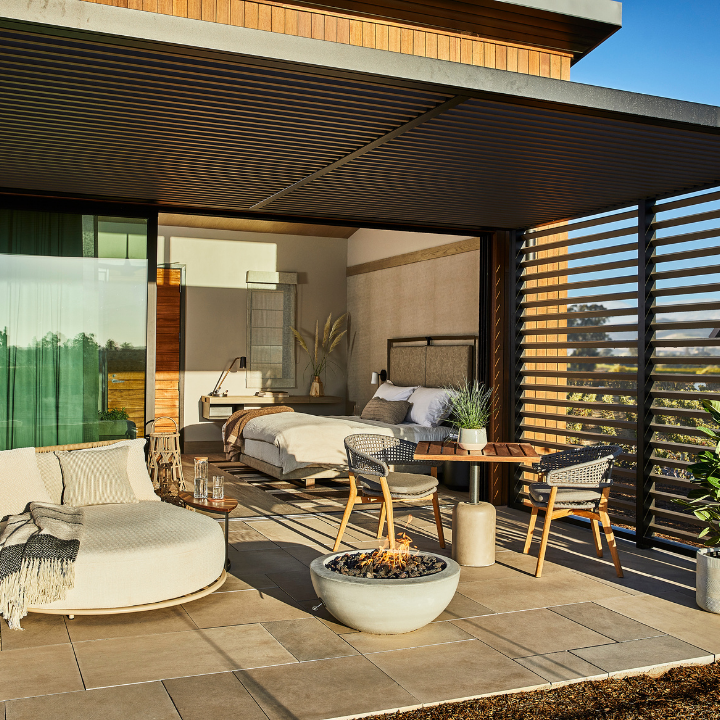 Resort
Guestrooms face Carneros vines from private patios connected by herb-lined paths to fire pits and a spa pool.
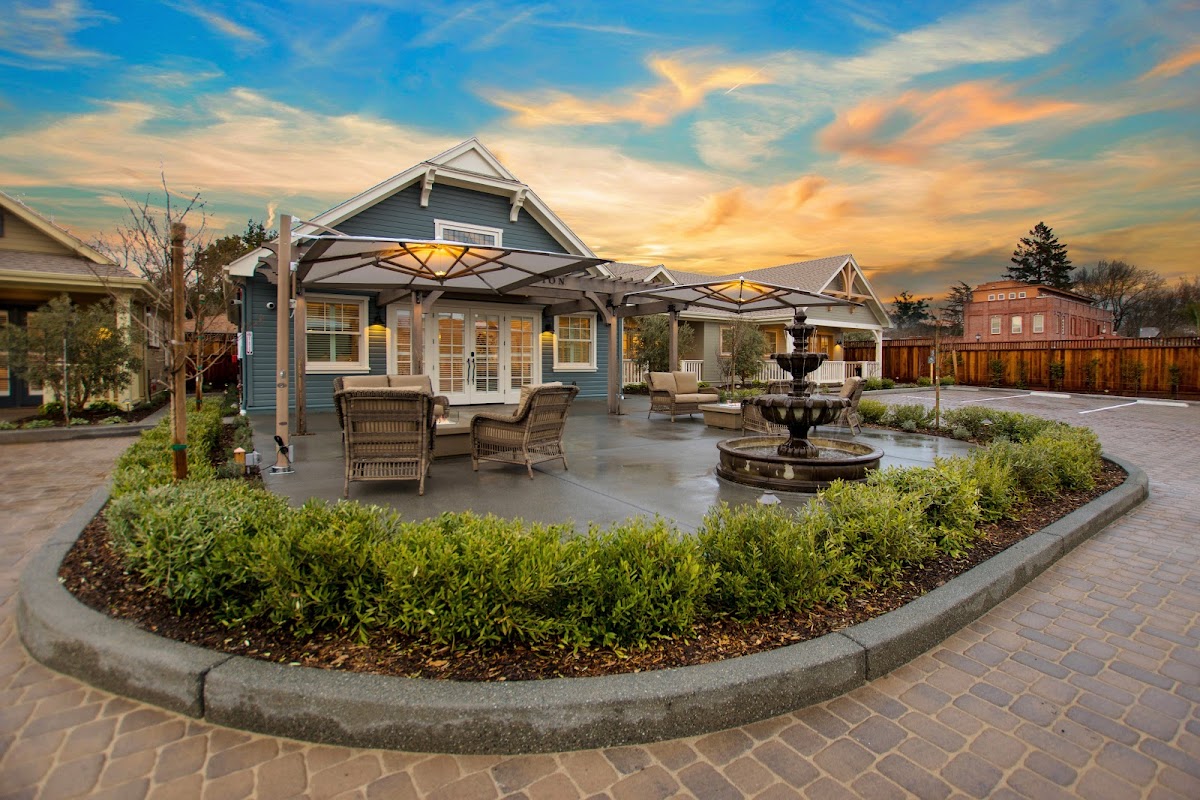 Hotel
HotelEight bungalows with gourmet kitchens sit a few minutes' walk from Sonoma Plaza.
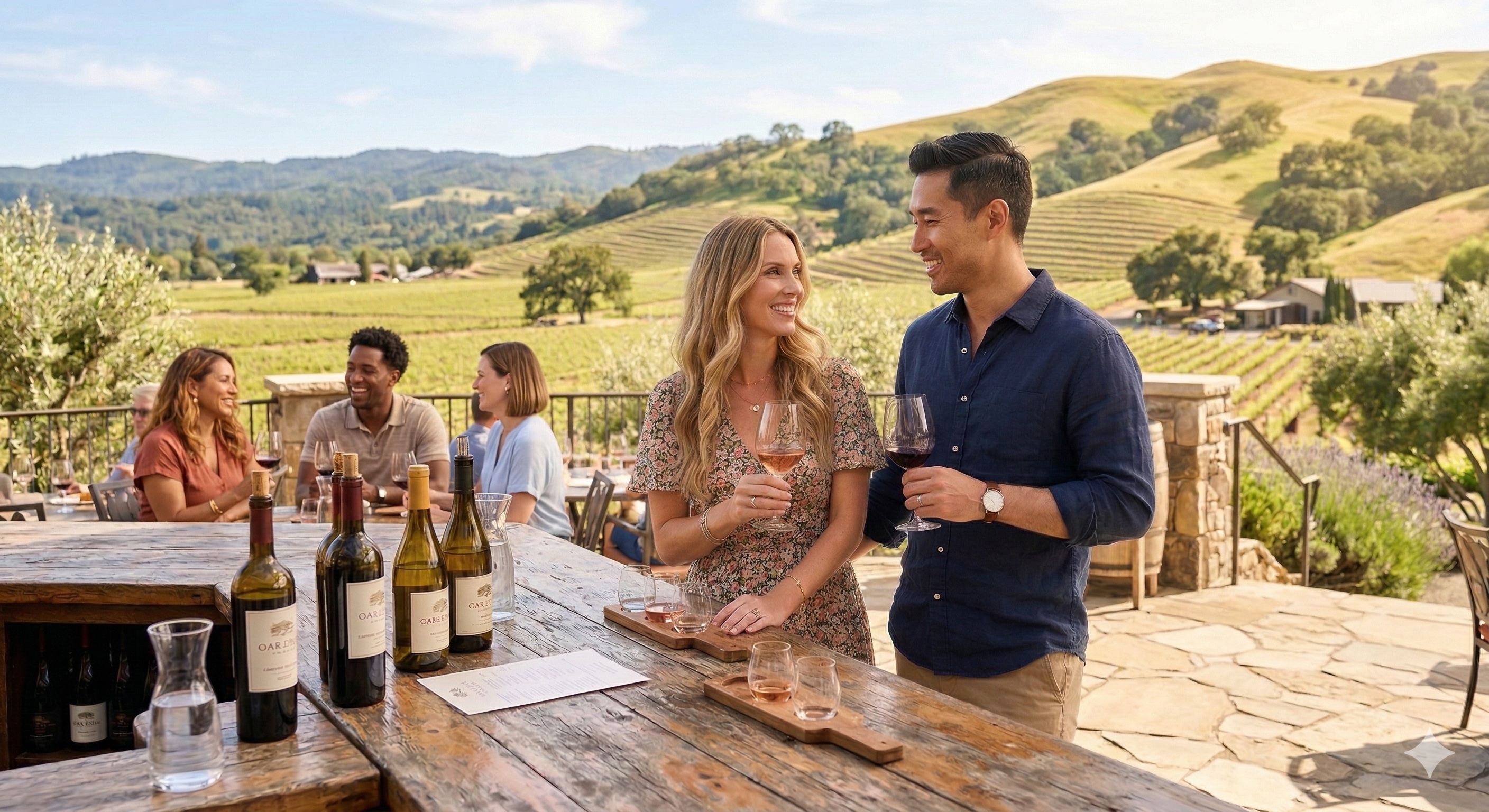
First time visiting Napa Valley wine country? Welcome! Wine tasting is more approachable than you might think. The wineries below are perfect for beginners — they're walk-in friendly, affordably priced, and highly rated by other visitors.
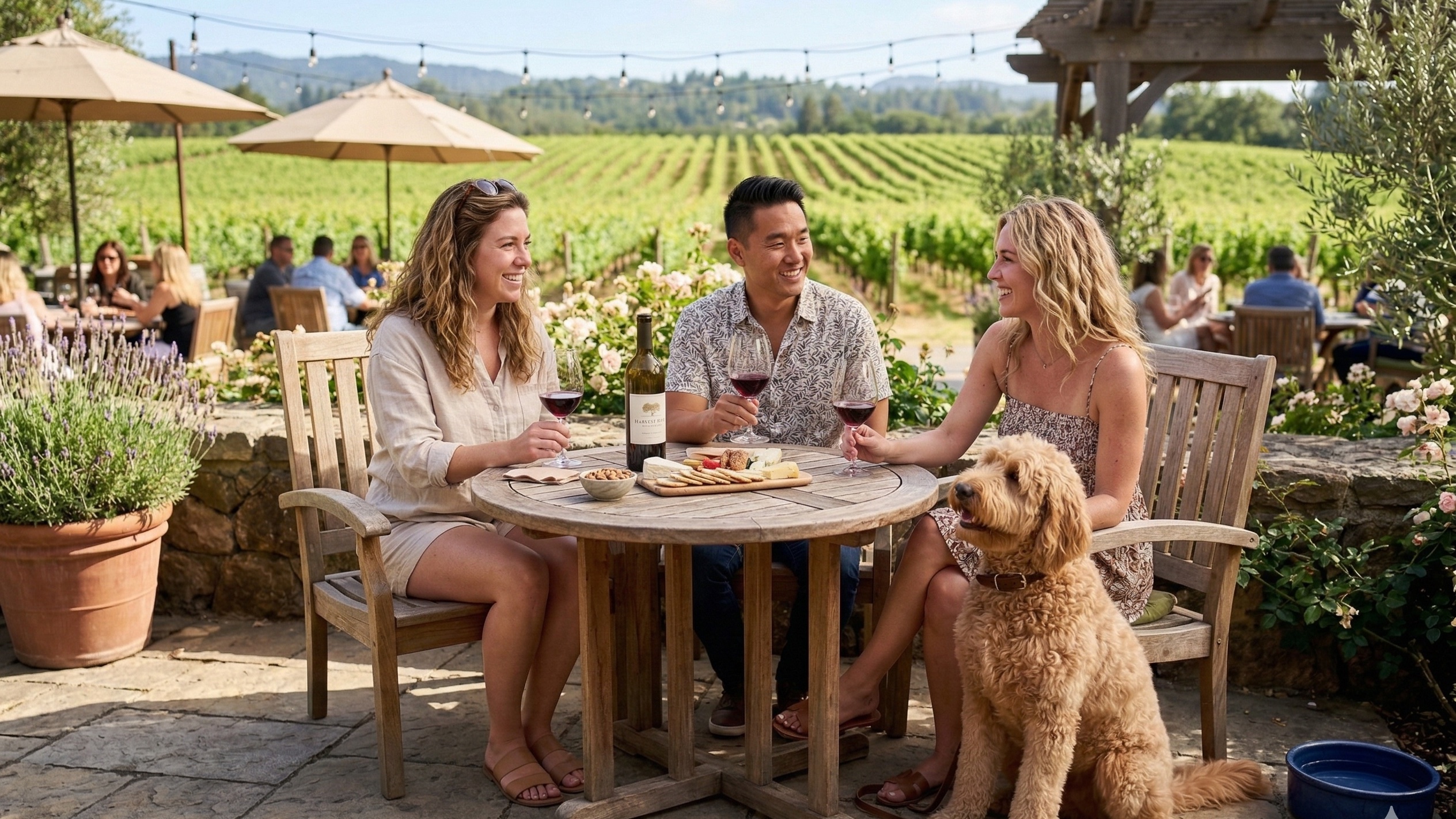
Browse the full set on napasonomaguide.com.
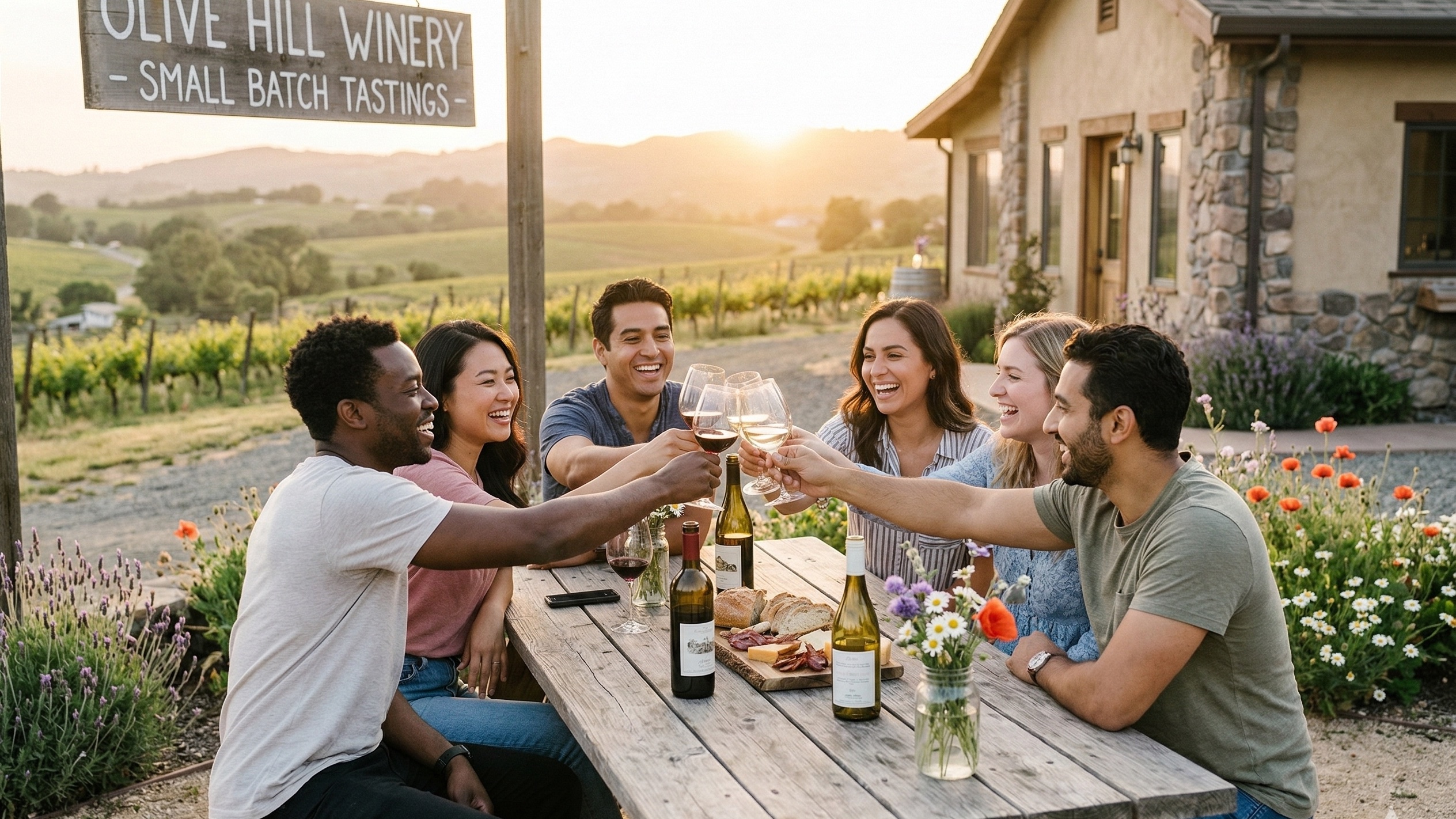
Wine tasting doesn't have to be expensive. These wineries in Napa Valley offer tastings for $40 or less — making them perfect for visitors who want to taste widely without splurging at every stop.
Cabernet Sauvignon is the king of Napa Valley, producing some of the most acclaimed wines in the world. The region's combination of warm days, cool nights, and diverse soils creates Cabs of extraordinary depth, with flavors ranging from dark cassis and black cherry to cedar, tobacco, and chocolate.
Where to stay with your dog in wine country — luxury resorts that provide beds and bowls, cozy Healdsburg and Calistoga inns, and glamping for the trail dog, plus the fee fine print.
Where to actually bring your dog wine tasting in Napa — resident golden retrievers, castle courtyards, picnic lawns, and hilltop patios, with the leash rules that matter.
Sonoma is dog country — the wineries that actually welcome your pup, from working farms in Dry Creek to historic lawns in Sonoma Valley, with the leash rules that matter.